How High-Purity Quartz Supports Semiconductor Thermal Processes
A practical overview of where fused quartz components are used in oxidation, diffusion, annealing and LPCVD equipment, and which application details matter during part review.
By WONIK Semicon Engineering
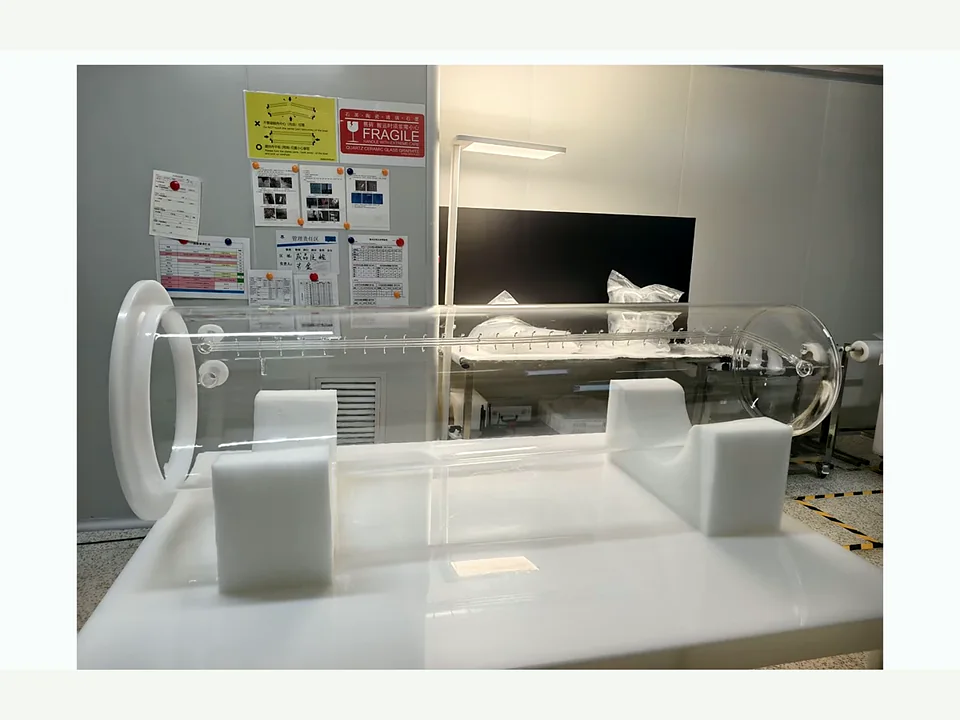
Fused quartz is widely considered for semiconductor thermal-process equipment because a component may need to work across elevated temperatures, repeated thermal cycles and controlled process atmospheres. The material name alone, however, does not define whether a finished part is suitable for a specific tool or recipe.
In oxidation, diffusion, annealing and LPCVD equipment, quartz parts can include process tubes, wafer carriers, injectors, liners, support fixtures and handling components. Each family has a different functional role, so the engineering review should begin with the equipment module and process position rather than with a generic part name.
For process tubes and chambers, useful inputs include inner and outer diameter, wall thickness, branch locations, flange geometry, sealing interfaces, pressure conditions, gas chemistry and operating temperature. For wafer boats, wafer diameter, slot count, pitch, orientation and loading method are equally important.
Cleanliness and acceptance criteria should be agreed before manufacture. Drawings, sample parts, inspection records and the customer's qualification route help define critical dimensions and reduce ambiguity between a representative product family and the final application-specific component.
WONIK Semicon reviews custom quartz component enquiries from drawings, samples and equipment references. Final material selection, geometry and qualification requirements remain subject to engineering confirmation for the intended process.
Discuss your application
Have a drawing, sample or equipment reference?
Use the RFQ planner to organize process conditions and critical part information for an engineering review.
Prepare an RFQ